Residential solar & battery installation in MelbourneYour home. Your energy, rethought.
Solar and home energy storage for Melbourne homes. Explore the equipment, compare your options and build a plan around how you use energy.
Where are you starting?
Choose the situation that sounds like your home.
Meet yourhome battery.
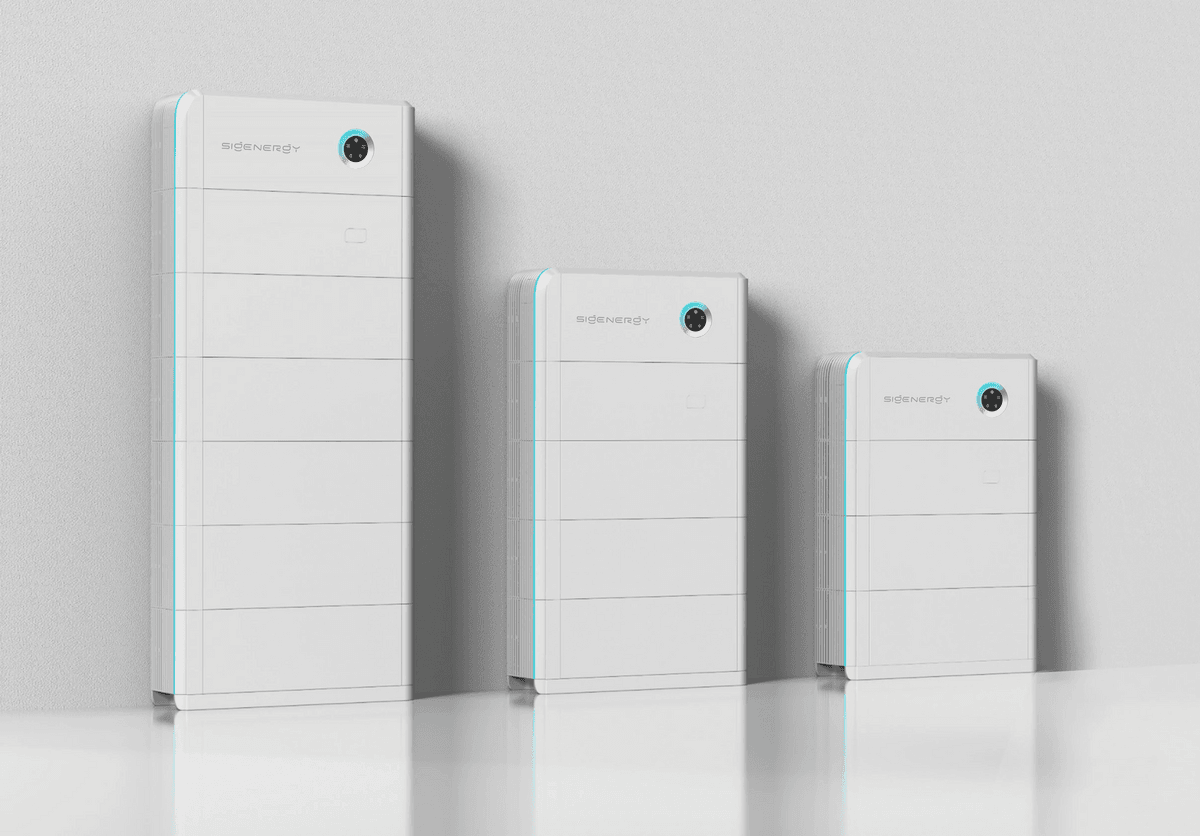
Residential energy storage systems, installed around your home. Start with our three featured battery systems, or compare the Solis + Dyness packages below.
You can choose a starting point above, or browse the systems and packages below.
Manufacturer product image. Configuration shown may vary from your installation.
SigenStor
One system. Room to grow.
Bring the inverter, battery and energy controls together in a modular stack. A starting point for households that want to plan storage, solar and future charging together.
Enerforge is a Sigenergy Certified Installer in Melbourne, recognised by Sigenergy to install SigenStor systems. View our certificate
Controller power and usable battery capacity are selected together. Backup requires a compatible Sigen Energy Gateway and an agreed circuit design. EV DC charging is an additional module, not included in every configuration. Ask us to confirm the battery generation and usable kWh in your proposal.
Manufacturer product image. Configuration shown may vary from your installation.
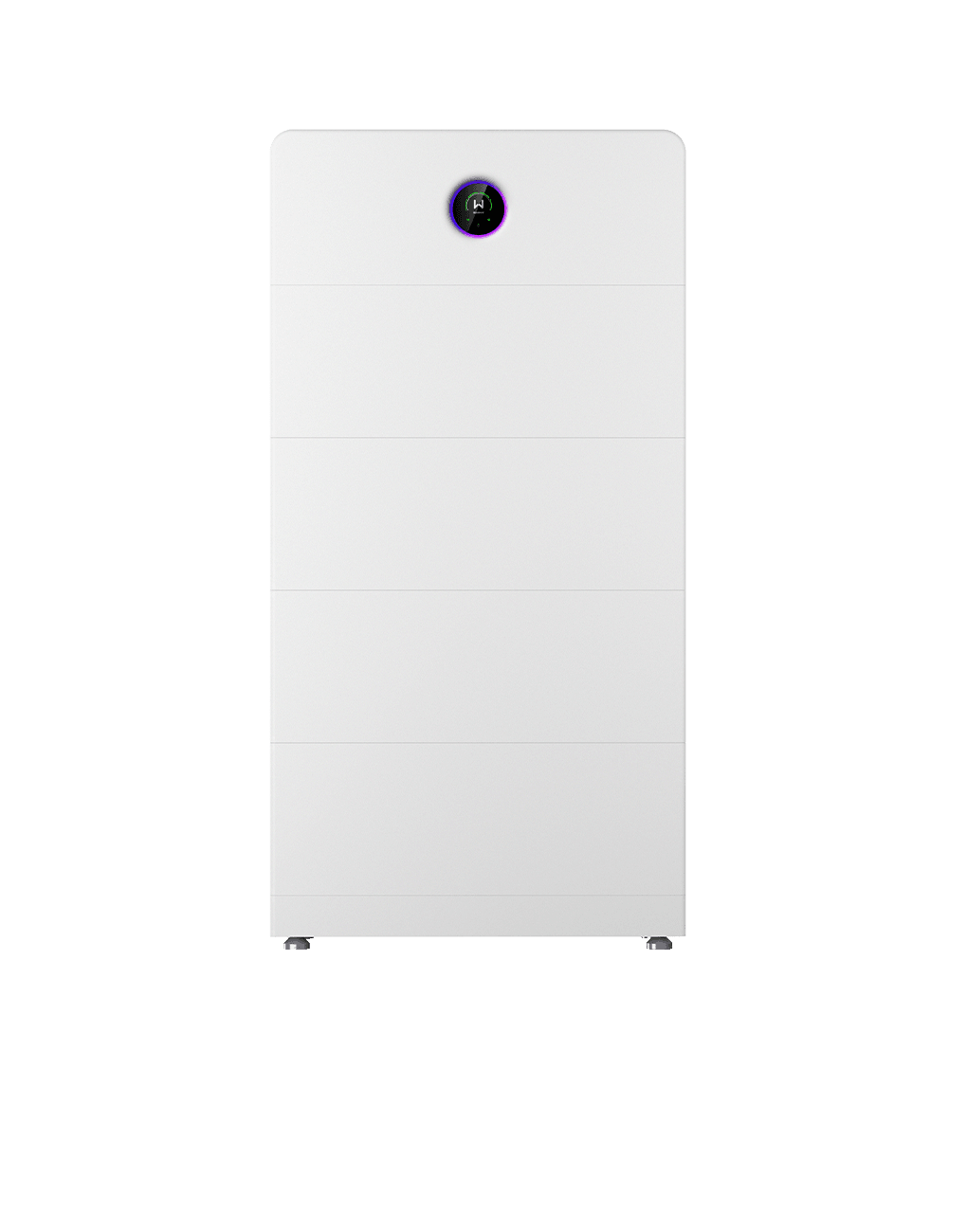
GoodWe ESA
Solar and storage, built together.
A pre-wired all-in-one system with the inverter and battery in one modular platform. Explore the single-phase ESA range when you want a coordinated solar and storage installation.
This reference covers the Australian ESA 3–10 kW single-phase range, including GW3K-EHA-G20 through GW9.999K-EHA-G20. The 5 / 8 kWh labels describe module options, not usable energy for a complete system. Your proposal specifies the inverter model, battery modules, usable capacity and supported backup loads.
Manufacturer product image. Configuration shown may vary from your installation.
Fox ESS
Fox ESS
Big storage, single or three phase.
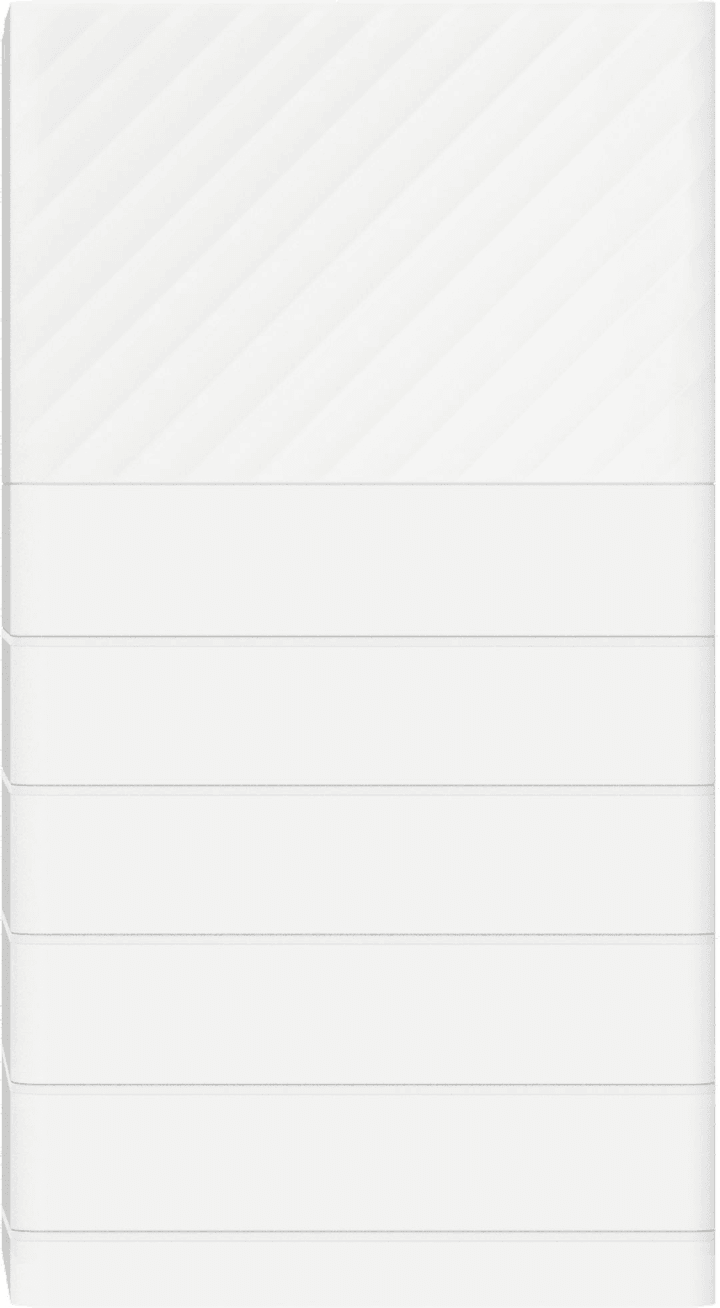
A Fox ESS PQ hybrid inverter paired with the 27.30 kWh EQ5500 battery. Choose the PQ1 for a single-phase home or the PQ3 for three-phase supply, with the same battery either way.
The PQ1 10 kW hybrid inverter suits single-phase supply and the PQ3 suits three-phase supply. Both pair with the 27.30 kWh EQ5500 (EQ5500-S) battery. Usable capacity, backup circuits and the final panel layout are confirmed in your written proposal.
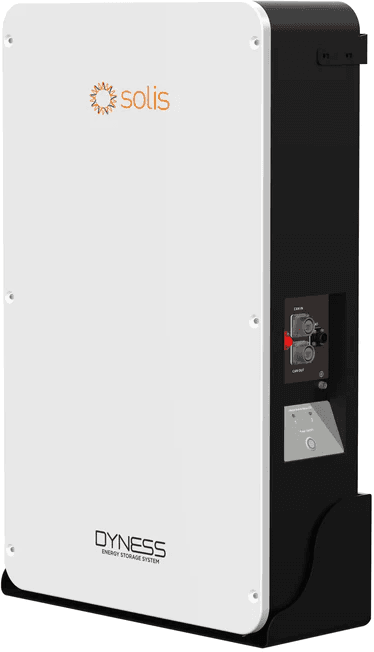
Two single-phase packages pairing a Solis hybrid inverter with Dyness low-voltage battery storage. A simpler way to compare sizes before we look at your bill and roof.
Pricing is confirmed in your written quote after a site assessment.
Manufacturer product images. Installed layout varies by site.
6kW
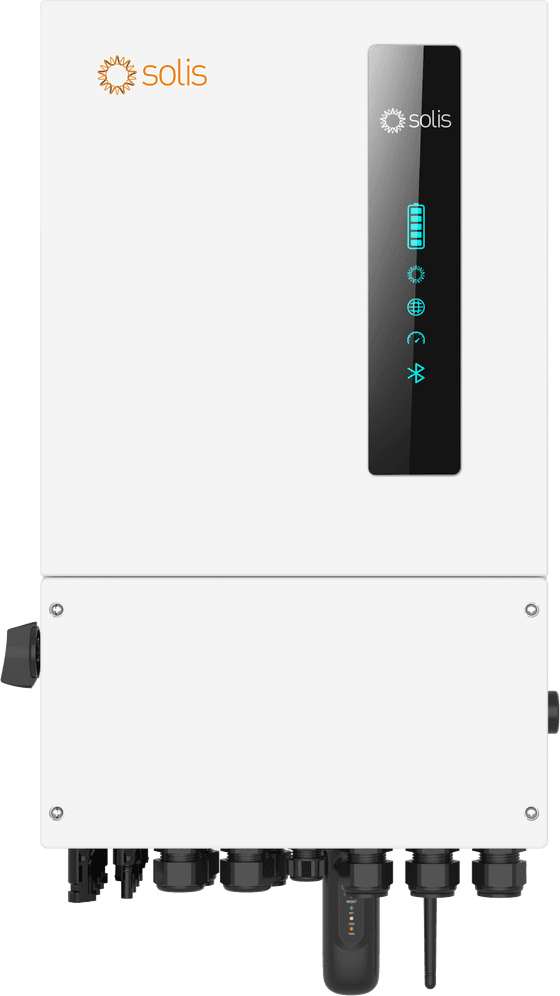
Solis 6 kW + Dyness 20 kWh
Family homes that want to run through the evening and overnight on stored solar.
Inverter
Solis S6-EH1P6K-L-PLUS single-phase hybrid
Battery
2 × Solis PowerBox Pro 10.2 kWh low-voltage battery (made by Dyness)
Single-phase supply only. Battery modules can be added later within Solis and Dyness limits. Backup circuits, final usable capacity and the panel layout are confirmed in your proposal.
Comparethe essentials.
Four different ways to approach the design. This comparison helps you choose what to discuss—not a fixed package or a compatibility promise.
Solis hybrid inverter with Solis PowerBox Pro batteries (made by Dyness)
Worth discussing when
A single-phase home that suits a fixed 20 or 30 kWh package
Check before quoting
Single-phase supply, existing inverter plan, battery location and backup circuits
The exact models, usable capacity (kWh), output (kW), backup circuits and installation scope belong in your written proposal. We do not treat a brand name as a complete system specification.
Solar togo with it.
A battery is one part of the plan. We select the panels and array size around your roof, daytime use and battery-charging needs.
JinkoSolar
TW Solar (Tongwei)
Trinasolar
Choose a solar planning size.
A starting point for discussion, not a fixed package.
Possibly. Share its brand, model and age if you know them. We assess whether to retain it, add compatible storage or replace it as part of the proposed system.
How much battery capacity do I need?
Start with when you use electricity, especially after sunset, and what you want to run during an outage. Usable battery capacity (kWh) and available output power (kW) both matter. A bill or interval usage data helps us assess them together.
Will the whole house work during a blackout?
Only if the equipment and electrical design support it. We agree which circuits need backup, then check the battery output, starting loads and required runtime. Large appliances and EV charging need particular attention.
Can I add more battery modules later?
Expansion depends on the product generation, module limits, compatibility and manufacturer guidance. Tell us about future plans so the initial design can allow for them where supported.
Where will the battery be installed?
The location is assessed for access, clearance, protection and electrical requirements. We confirm the proposed position and any associated switchboard or cabling work before installation.
What happens after installation?
Handover covers system operation, monitoring and the agreed backup arrangement. Keep your equipment details and warranty documents together. Contact us about performance questions, alerts or service needs.
Let’s plan your home.
Keep the options you’re interested in. We’ll help work through the details.
No system selected yet
This step takes you to the enquiry form. It does not submit an enquiry.