WHO THIS GUIDE IS FORVictorian households with a compatible home battery, evening grid usage and access to an eligible free daytime electricity plan.
Which free-power offers can Victorian households reference?
Offer details checked on 17 September 2026. The Victorian Midday Power Saver is scheduled to start on 1 October 2026. Eligible residential customers with a smart meter must opt in through their retailer. Its daily free window is 11 am–2 pm, with up to 24 kWh free during that window. The allowance is not reserved for the battery: other household imports count too, and excess usage can be charged.
OVO’s Free 4 Plan is a separate market offer advertised for eligible Victorian households, with a daily 11 am–3 pm window. A communicating smart meter is required; controlled-load usage is excluded, supply charges still apply and a Fair Use Policy applies. Availability and other rates depend on your address and tariff. OVO’s older Free 3 Plan is no longer open to new sign-ups.
These are references to investigate, not an endorsement of a retailer or a promise that either plan is cheapest. Obtain the current plan document and confirm the activation date, battery-charging eligibility, free-hour clock and daylight-saving treatment before setting a timer.
The money-saving routine: charge at midday, use it at night
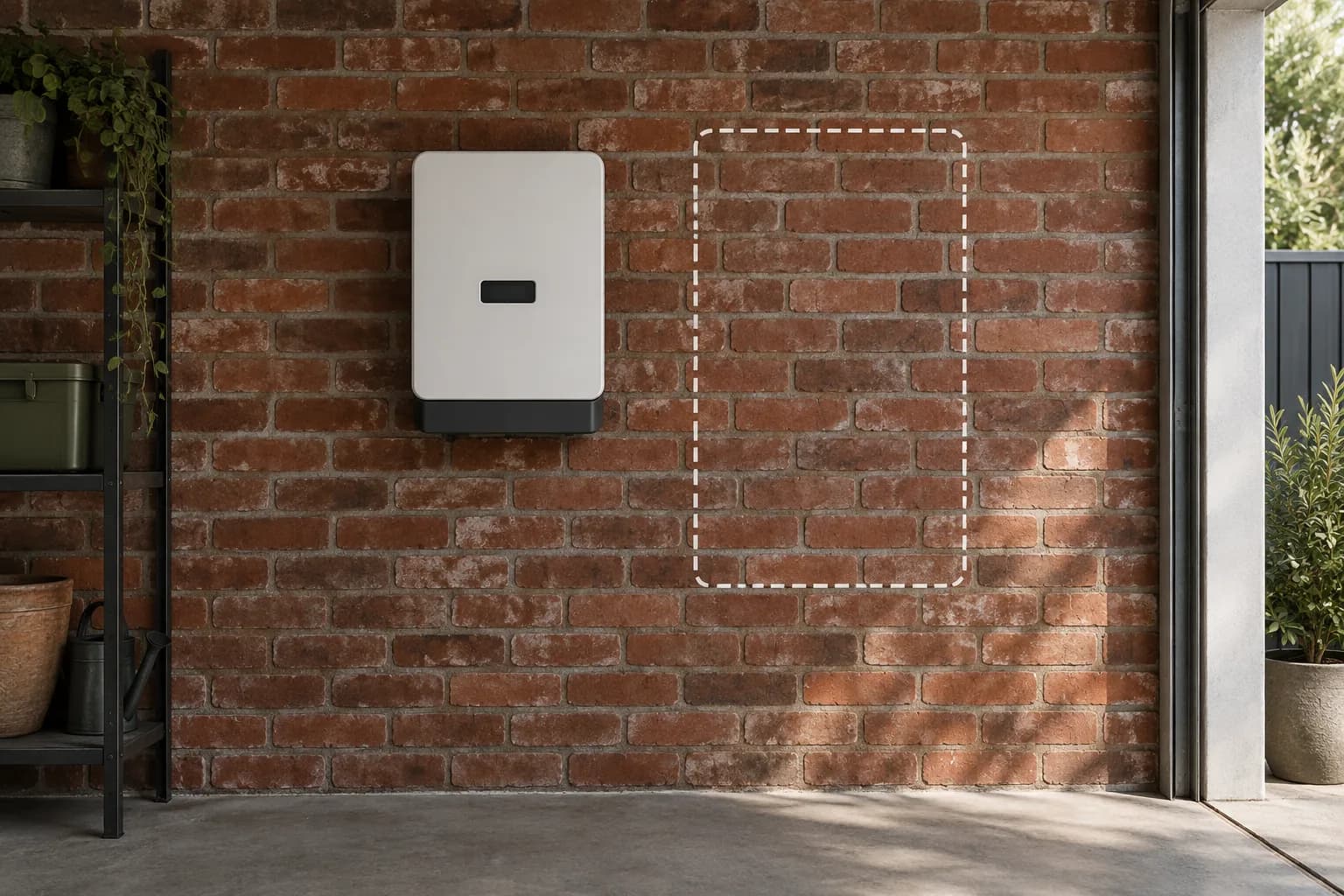
First have your installer confirm that the exact battery and inverter support grid charging, scheduled operation and your proposed use. Check the manufacturer’s warranty, any connection restrictions and VPP or external-control arrangements. A battery that normally charges from rooftop solar should not be assumed to support this routine without that check.
Once the free plan is active, use the approved controls to schedule grid charging only within its confirmed window. Ask for the battery to top up towards the manufacturer-supported charge target—potentially full when appropriate—and avoid paid grid top-ups outside that window unless needed for the agreed backup strategy. Keep any agreed backup reserve rather than lowering it just to maximise evening discharge.
After the free window, let the system supply ordinary evening household demand according to the agreed operating mode, reducing imports when you would otherwise pay for them. Check that the battery is not discharging straight back to the grid or following an overlapping automation. Never bypass electrical protections or change wiring yourself.
If rooftop solar is already available, treat free grid energy as a possible top-up, not an obligation. Filling early can leave less space for afternoon solar. Compare the complete daily charging strategy, including export revenue and reserve needs, with your installer.
- Confirm the new tariff is active before enabling scheduled imports.
- Match the battery timer to the retailer’s billing clock and free hours.
- Set an approved charge target and preserve the agreed backup reserve.
- Review import, charge and discharge records after several days—not just the battery percentage.
Will three free hours actually fill your battery?
Not necessarily. The energy you can add is constrained by available battery space, the permitted charging power, the length of the window, conversion losses and site limits. A larger battery is not automatically a better match to a short free period.
Ask the installer how much energy can realistically be stored from your usual midday starting charge. Include household and EV loads in the site assessment rather than setting every high-power device to start together. Stagger loads within the window where needed; request a licensed electrician’s assessment if the supply or switchboard capability is uncertain.
What could one evening of shifted energy be worth?
Calculate the value from electricity actually delivered to household loads that would otherwise be supplied by paid imports. Do not multiply the battery’s advertised capacity by the evening tariff, or treat one favourable day as a year-round outcome.
A zero charging energy rate does not remove conversion losses, battery wear, supply charges or other plan costs. If you are considering buying a battery, include its installed cost, expected usage, warranty and the possibility that offers change. A temporary free-power promotion alone is not a payback case.
Compare the whole bill before switching
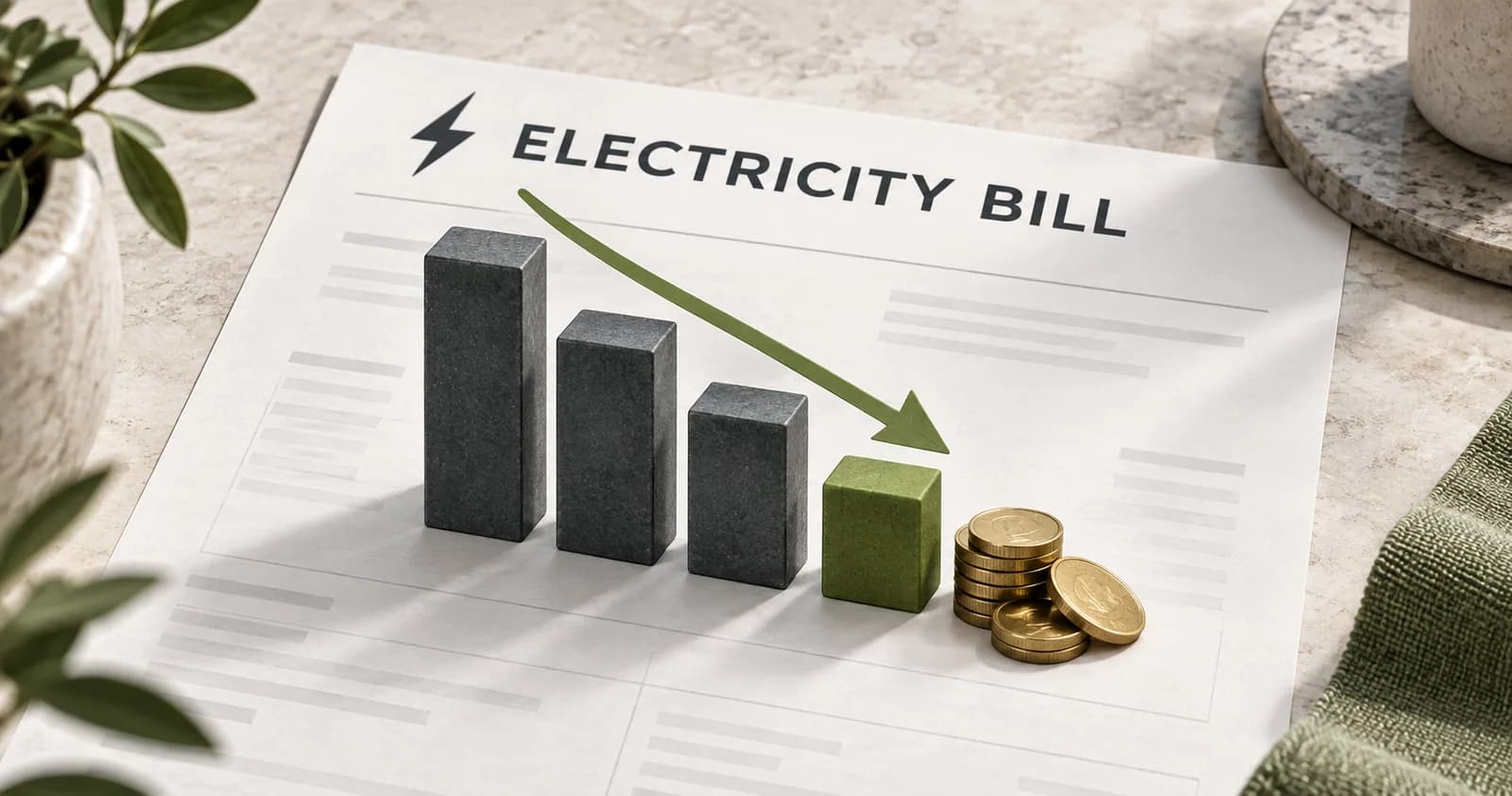
Use a full year of interval data where possible. Compare your existing plan with the proposed offer using the energy you can realistically shift—not an assumption that every night will be covered. Include remaining evening and morning imports, the daily supply charge, controlled loads, exports, fees and any consumption above an allowance.
Victoria’s government information cautions that outside-window prices may be higher. A household that cannot shift enough usage can pay more overall. Use Victorian Energy Compare and ask the retailer for an estimate based on your own usage. Do not confuse Victoria’s Midday Power Saver with the federal Solar Sharer Offer for other jurisdictions.
If you already own a battery, compare this routine with its current solar-storage operation. Only the additional avoided imports count as an additional benefit; energy you already supply from stored solar must not be counted again.
No battery? Start with the loads you can move
Before buying storage, consider whether you can safely schedule the dishwasher, washing machine, heat-pump hot water or an EV to use the confirmed free period directly. That avoids storing and converting energy just to run a load that could operate during the day.
For a battery assessment, bring the current plan, proposed offer, evening usage and equipment model together. The useful question is “how much paid import can this household actually replace?”—not “how much free electricity can we collect?”
Sources & further reading
- Victorian Government: Midday Power Saver — starts 1 October 2026 ↗
- OVO: Free 4 Plan activity ↗
- OVO: Victorian special terms ↗
- OVO: Free 3 closed to new sign-ups ↗
- Australian Government: battery operation, efficiency and costs ↗
- Victorian Energy Compare ↗
- Australian Government: Solar Sharer Offer jurisdictions ↗
General information, not a site-specific design, installation instruction or financial recommendation. Equipment suitability, approvals and project outcomes require an individual assessment. Never work on electrical equipment yourself.