WHO THIS GUIDE IS FORMelbourne homeowners comparing solar quotes before a first installation or a system upgrade.
Why the package size is not the answer
The panel capacity in kW is different from the energy in kWh on your bill. You cannot turn a household’s average daily usage directly into a panel capacity without considering generation, timing and the site.
Collect a full year of bills if possible, plus interval usage data. Mark holidays, a recent move or appliance changes. A proposal built around an unusual quarter can tell the wrong story about the household you actually want to supply.
For a Melbourne home using electric heating, ask for a winter assessment as well as an annual total. An annual average can hide the period when the system and your demand are least well aligned.
Compare a work-from-home day with an empty-house day
Describe a normal weekday and weekend. When does the dishwasher run? Is anyone home during the day? Will an EV normally charge after work, or can it charge while parked at home during daylight?
Ask each quote to separate estimated direct solar use, grid exports and remaining grid imports. Exported electricity and electricity used in the house have different roles in the calculation; adding panels does not mean every extra unit replaces a unit bought from the grid.
What the larger quote changes on your roof
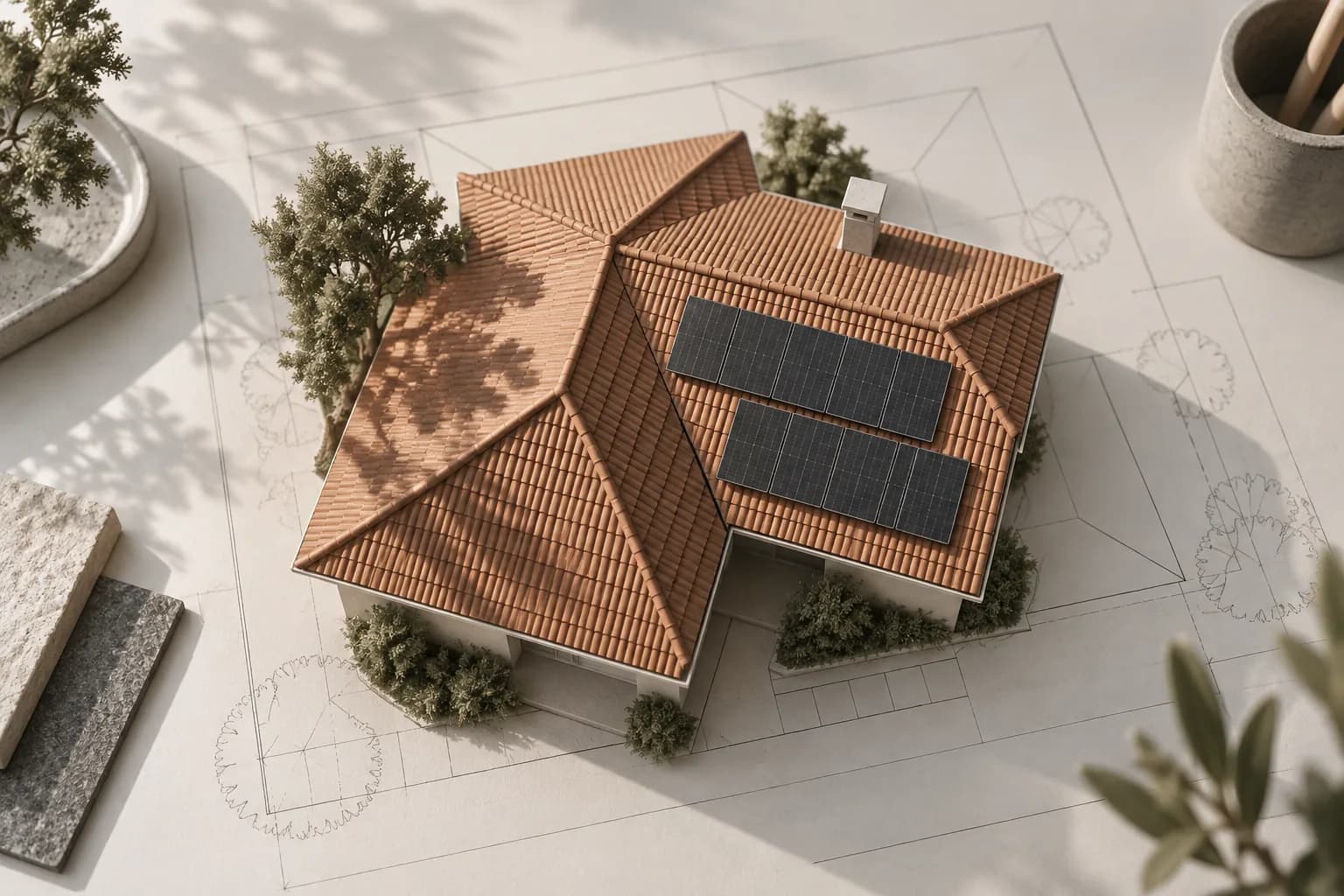
Request the proposed panel layout, not just the panel count. Identify which roof faces the extra panels occupy and whether they introduce shading, access or roof-condition questions. A larger array may be useful, but its additional capacity needs a site-specific explanation.
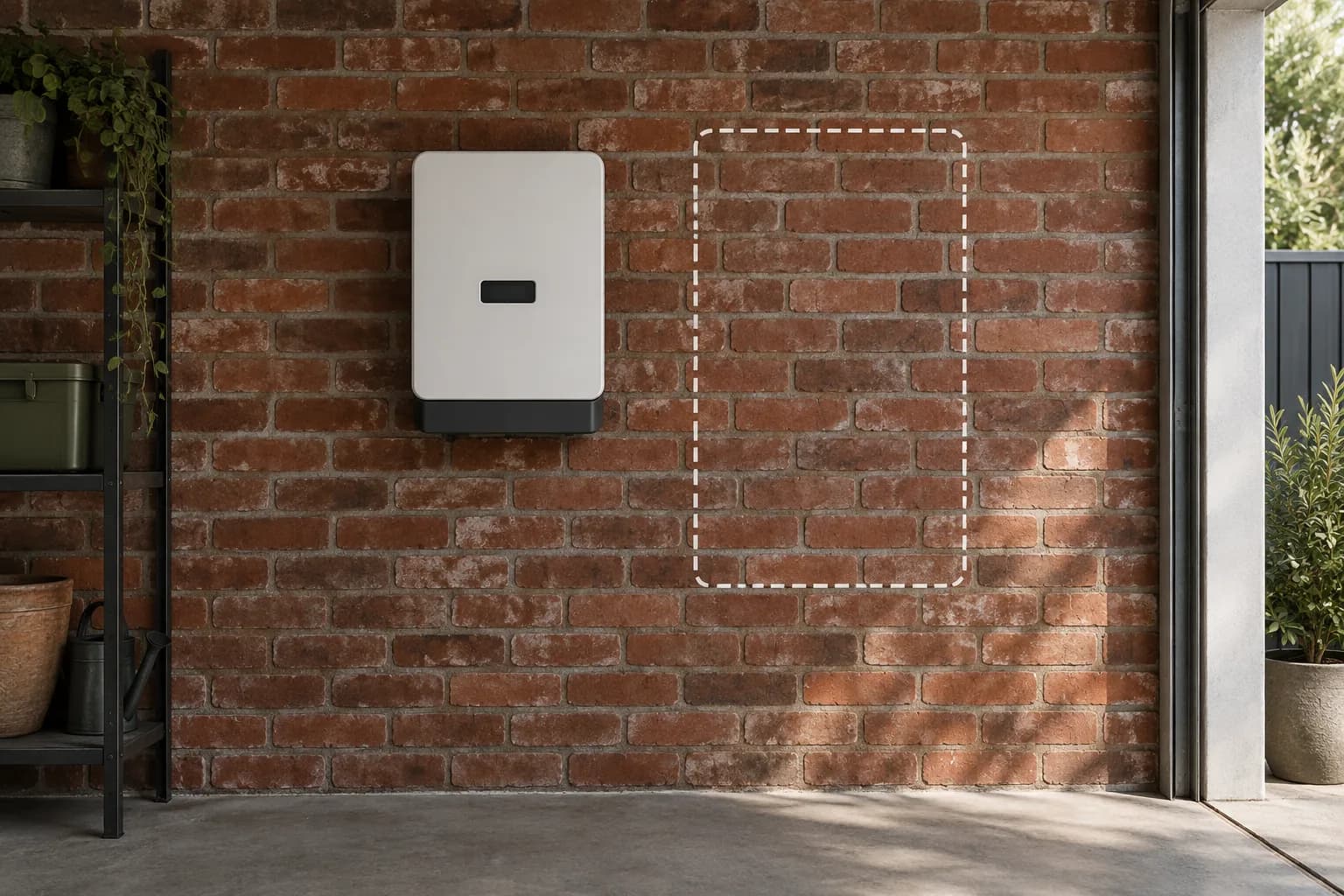
Have the quote name the inverter capacity separately and state the connection and export assumptions. Your distributor’s requirements must be checked for the actual property; the suburb name alone is not enough to establish a connection limit.
- Panel layout by roof face, with shading assumptions.
- Panel capacity and inverter capacity listed separately.
- Roof, switchboard and access works included or excluded.
- Connection and export requirements still awaiting confirmation.
Give both installers the same brief
Keep current demand separate from planned changes. “EV next year, mostly charged overnight” is a more useful brief than “EV-ready”. The same applies to a heat pump or a switch away from gas heating.
When comparing 6.6 kW and 10 kW proposals, request the same tariff and household assumptions in both. Then compare the additional equipment, site works, estimated generation and use of that energy. Do not choose a package solely because its annual production number is larger.
If the quotes still disagree, ask each designer which specific part of your usage or roof leads to their recommendation. That reasoning is the decision tool—not a generic claim that one size suits most homes.
Sources & further reading
General information, not a site-specific design, installation instruction or financial recommendation. Equipment suitability, approvals and project outcomes require an individual assessment. Never work on electrical equipment yourself.