WHO THIS GUIDE IS FORMelbourne warehouse, workshop and commercial-property decision-makers preparing a rooftop solar brief.
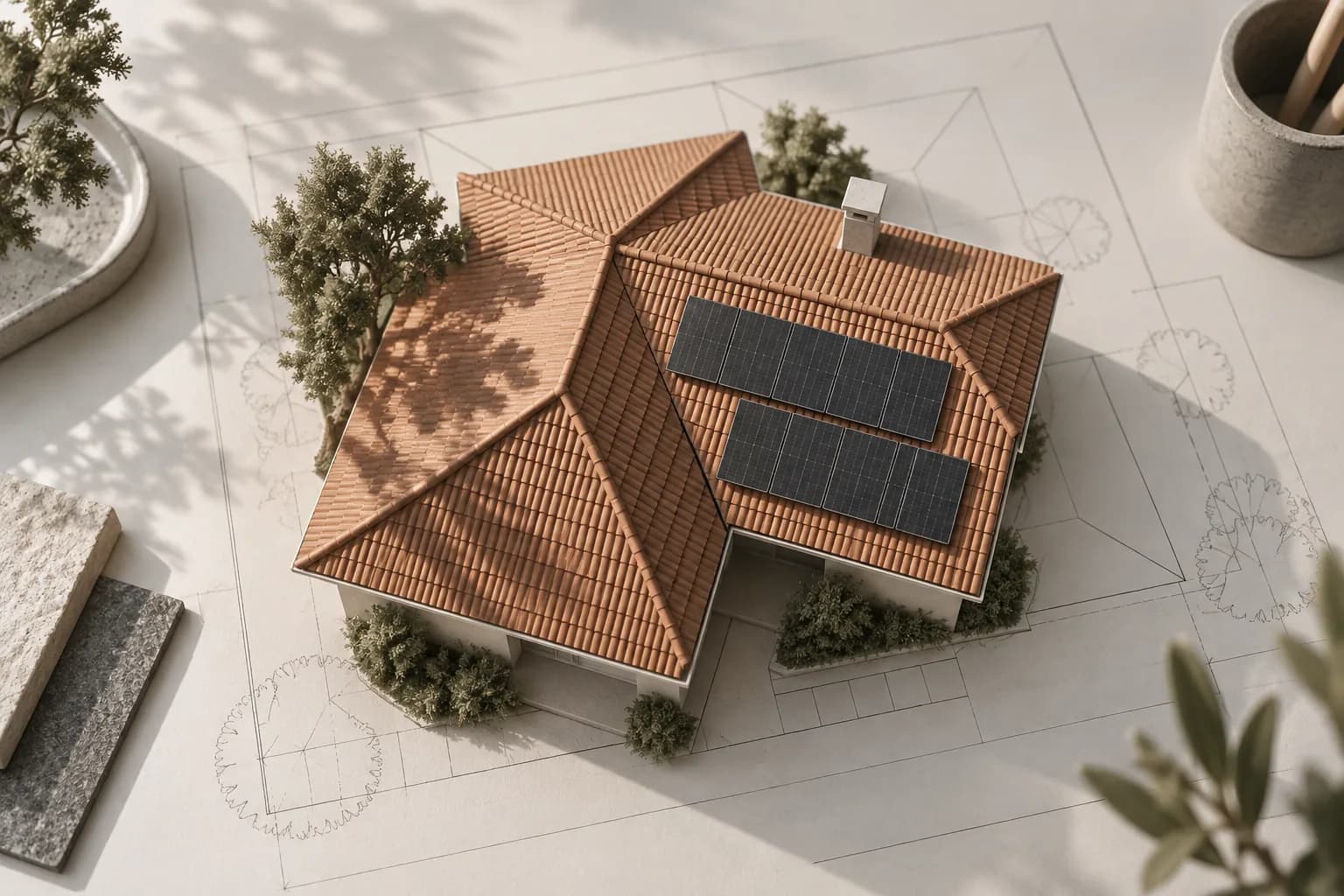
A full roof is not a full business case
A roof can suggest physical potential without explaining energy use. For a weekday workshop, ask what happens to proposed generation on a closed Sunday. For a night-shift business, ask how the proposal treats the gap between generation and production hours.
These questions do not rule a project in or out. They show why a roof-area estimate should be followed by a demand assessment rather than treated as the system recommendation.
Get the right file, and explain the shifts
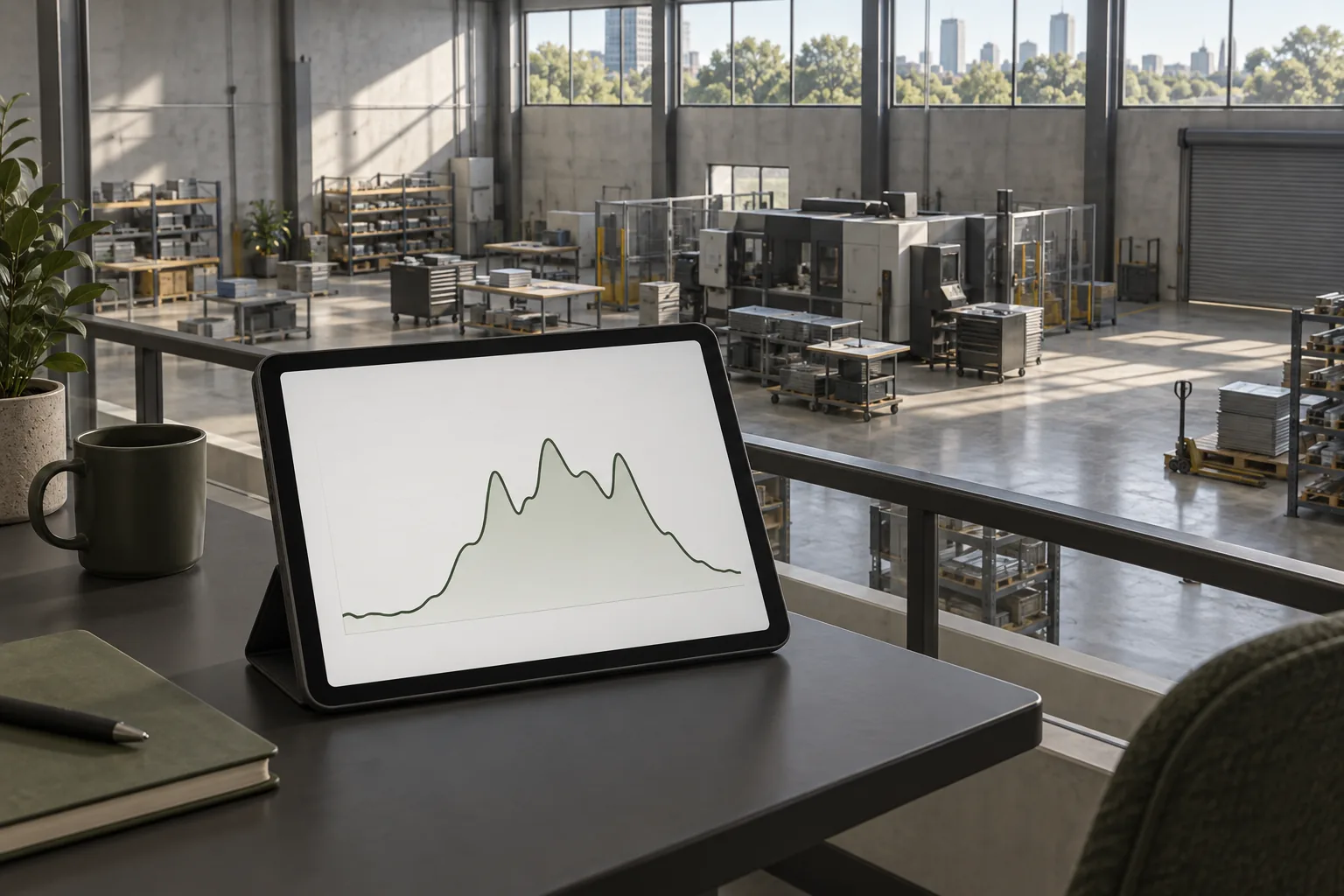
Request available interval usage data from the electricity retailer or distributor, ideally covering twelve months. Include the meter/site identifier, date range and units, along with bills and tariff details for that same period. A chart screenshot is not a substitute for the underlying file.
Have the assessor confirm timestamps, interval duration, missing records and whether values represent interval energy or average power. If a site has several meters, identify which supplies are in scope rather than combining files without context.
Attach opening hours, shutdowns, shift changes and major load additions. Separate a proposed new production line or fleet charger from the historical data so the future case can be modelled explicitly.
Prepare the roof and property decision alongside the data
Provide roof plans and known roof-condition issues, proposed future roof works, access restrictions and available switchboard records. If reroofing is being considered, raise it before the solar design progresses. The building still needs a professional feasibility assessment.
For a leased site, identify the owner’s approval process and the lease horizon. Ask the appropriate professional advisers about roof access, system ownership, maintenance access and what happens if the tenant or property owner changes. Do not treat a general guide as contract advice.
- Interval file, matched bills and current tariff.
- Shift calendar and planned load changes.
- Roof information, access limits and planned building works.
- Building owner or landlord contact and approval pathway.
Compare demand fit before choosing an ownership model
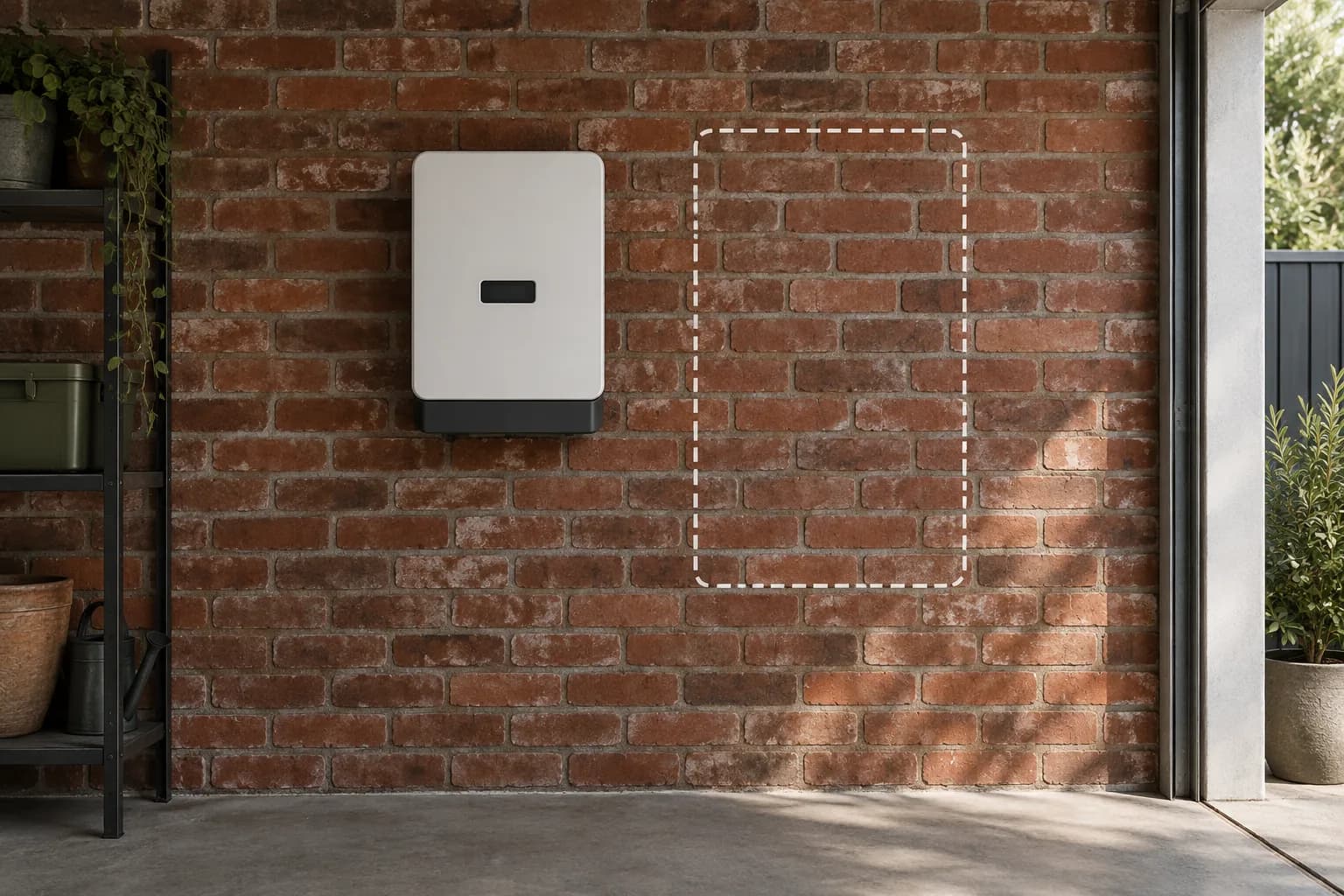
Request a proposal that distinguishes expected on-site solar use from exports and remaining imports, with assumptions made visible. If demand-charge savings or storage benefits are proposed, request a separate explanation using the relevant tariff and demand profile. Savings are not automatic.
Then compare direct ownership and any proposed PPA on their actual terms. Pricing, escalation, access, service obligations and exit or end-of-term arrangements belong in that commercial review—not hidden inside an attractive generation chart.
For the first Enerforge conversation, a clean data pack and a named property decision-maker are more useful than a target panel count. They make it possible to discuss the site and operating brief together.
Sources & further reading
- Australian Government: implement energy savings for business ↗
- Australian Government: system sizing and interval usage data ↗
General information, not a site-specific design, installation instruction or financial recommendation. Equipment suitability, approvals and project outcomes require an individual assessment. Never work on electrical equipment yourself.